

What Can You Do if You Unknowingly Bought a Meth House?
Table of Contents
Table of Contents

Insurance Lawyer
Jeffrey Johnson is a legal writer with a focus on personal injury. He has worked on personal injury and sovereign immunity litigation in addition to experience in family, estate, and criminal law. He earned a J.D. from the University of Baltimore and has worked in legal offices and non-profits in Maryland, Texas, and North Carolina. He has also earned an MFA in screenwriting from Chapman Univer...
Jeffrey Johnson
Insurance Lawyer
Jeffrey Johnson is a legal writer with a focus on personal injury. He has worked on personal injury and sovereign immunity litigation in addition to experience in family, estate, and criminal law. He earned a J.D. from the University of Baltimore and has worked in legal offices and non-profits in Maryland, Texas, and North Carolina. He has also earned an MFA in screenwriting from Chapman Univer...
Jeffrey Johnson
Updated July 2021
What if your dream house turns out to be a nightmare?
What if the reason you got a “deal” on a property is that it was previously used as a meth lab, or by meth users?
As reported by NPR, smoking methamphetamine can cause dangerous chemicals to be released into the air. These chemicals can get into carpets, drapes, and walls and cause health problems.
Health Risks
The health risks of living in a meth house include:
- Headaches
- Nausea
- Eye irritation
- insomnia
Long-term health risks – especially for children – are unclear.
Get the Legal Help You Need Now
Connect with Real Estate Experts Today
Meth Lab Databases
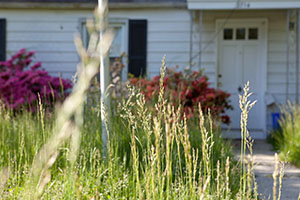 Indiana leads the country in meth lab seizures, with more than 11,000 labs busted since 2007. All of those homes may be contaminated.
Contaminated homes in Indiana are listed on a public online database – however, the list only includes the known meth labs.
Nationwide, the Drug Enforcement Agency also maintains a list of known meth labs.
However, those lists don’t protect people who buy homes where labs weren’t discovered, or where previous residents only used (rather than made) meth.
Disclosing Risks
In Indiana, a new law would require sellers to disclose whether a property was a meth lab, just as sellers must now disclose health hazards like lead paint and asbestos insulation.
About half of US states have similar laws. A list of state drug lab remediation laws can be found here.
The Indiana law would also require a person who runs a meth lab on property owned by another to pay restitution to the property owner for the costs of decontamination and lost rent.
Inspections
Of course, not all sellers may be aware of this disclosure requirement – and may not comply with it if they are.
Buyers can protect themselves by using a home inspection service that checks for meth contamination, or by arranging a special test. Such tests can cost as little as $50 but can also cost significantly more.
Some signs that a house may have been used as a meth lab include:
- yellow discoloration on walls, ceilings, floors, and other surfaces
- staining or etching marks on sinks, tubs, and showers
- missing or taped-off smoke detectors
- chemical odors
- extensive security measures
Sellers may try to cover up meth-related stains by repainting, but this will not remove the contamination.
Buyers can also check with local police and talk to the neighbors, to find out whether there was any suspicious activity or there were any arrests associated with the property.
Decontaminating a meth house can cost tens of thousands of dollars. If a buyer discovers a house is contaminated but still wants to go through with the purchase, the cost of decontamination could be negotiated as a discount from the sales price.
If you bought a contaminated home…
If you unknowingly bought a contaminated home, you may wish to consult a real estate attorney in your area about your potential remedies.
However, it may be very difficult to recover compensation. If the unit was a rental, the owner may not have been aware of the meth use by tenants. If the prior owner was a meth user – and especially if the property was sold “as-is” after foreclosure, there may not be anyone to collect damages from.
Get the Help You Need Today
Get free insurance quotes or connect with legal experts in minutes