

Is burning down your own property considered arson? (2026 Legal Answers)
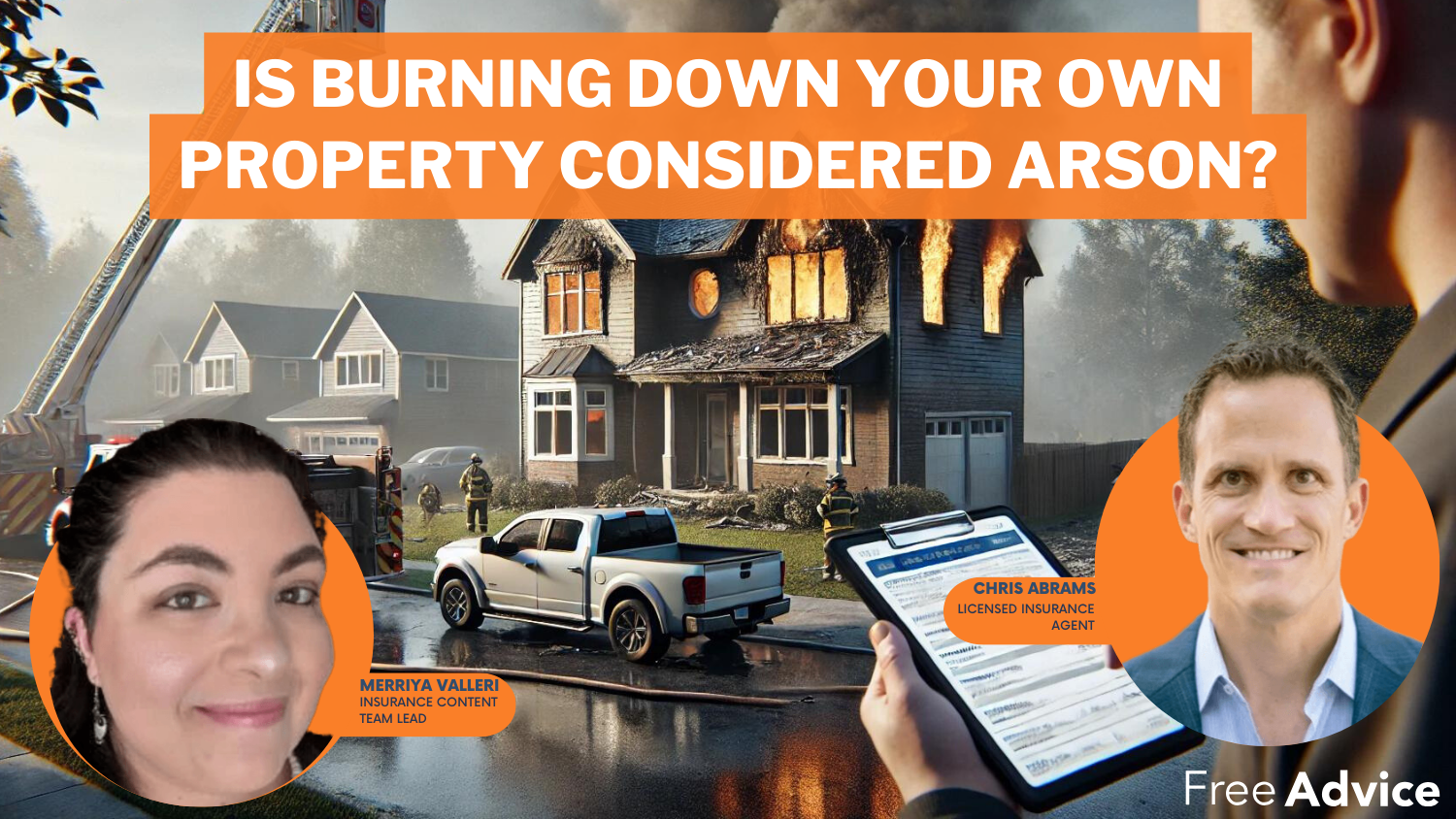
Maybe you're wondering, 'Is burning down your own property considered arson?' Yes, burning down a property is classified as arson. The legal consequences for burning down your property include severe criminal charges and fines up to $1,000 per month, depending on the state.
Read moreTable of Contents
Table of Contents

Insurance Lawyer
Jeffrey Johnson is a legal writer with a focus on personal injury. He has worked on personal injury and sovereign immunity litigation in addition to experience in family, estate, and criminal law. He earned a J.D. from the University of Baltimore and has worked in legal offices and non-profits in Maryland, Texas, and North Carolina. He has also earned an MFA in screenwriting from Chapman Univer...
Jeffrey Johnson
Insurance Lawyer
Jeffrey Johnson is a legal writer with a focus on personal injury. He has worked on personal injury and sovereign immunity litigation in addition to experience in family, estate, and criminal law. He earned a J.D. from the University of Baltimore and has worked in legal offices and non-profits in Maryland, Texas, and North Carolina. He has also earned an MFA in screenwriting from Chapman Univer...
Jeffrey Johnson
Updated January 2025
Monthly fines for burning down your own property can reach up to $1,000, leading many to ask, “Is burning down your own property considered arson?” The intentional act of setting fire to your own property is classified as arson, carrying severe legal ramifications.

This article explores the repercussions of actions related to insurance fraud, particularly how it can stem from financial desperation.
For property owners grappling with economic difficulties, it’s crucial to understand the implications of arson, especially concerning fire insurance claims, since the potential risks significantly outweigh any fleeting benefits that might be gained.
You can find the cheapest insurance coverage tailored to your needs by entering your ZIP code.
- Burning down your property is arson and can lead to felony charges
- Arson for insurance money results in serious legal consequences
- Monthly fines for arson fraud can reach $1,000
Consequences of Arson Insurance Fraud
Burning down a house is a crime. Setting fire to ones home for insurance money could have serious consequences and is never the answer. If caught, a person can be charged with criminal fraud and be sentenced to prison. Even if criminal charges are not sought, if a case of arson is found to be intentional, the insurance company does not legally have to pay a dime for the damage.
Consequences of Arson Insurance Fraud: Legal, Financial, and Societal Impacts| Consequence | Description |
|---|---|
| Civil Lawsuits | Insurance companies may pursue civil litigation to recover losses, leading to additional financial penalties |
| Community Impact | Fraudulent arson can endanger lives, damage property, and harm local communities, leading to public backlash |
| Criminal Charges | Arson insurance fraud is a felony, leading to charges that can result in long-term imprisonment if convicted |
| Criminal Record | A conviction results in a permanent criminal record, impacting future employment and financial opportunities |
| Fines | Offenders may be ordered to pay substantial fines, often ranging from thousands to hundreds of thousands of dollars |
| Increased Premiums | Insurance fraud can result in higher premiums for others, as companies pass the cost of fraudulent claims to consumers |
| Insurance Denial | Offenders may lose the ability to obtain insurance coverage in the future, as companies may refuse to insure them |
| Loss of Property | Any property involved in the fraudulent arson is usually forfeited, resulting in financial loss for the perpetrator |
| Prison Sentence | Convicted individuals can face prison time ranging from several years to life imprisonment, depending on the severity of the case |
| Restitution | Courts may require the perpetrator to pay restitution, compensating the insurance company for the fraudulent claim |
Furthermore, there are repercussions for the entire insurance industry since fraudulent claims tend to increase insurance costs for all policyholders. It’s essential to read about how insurance company tracks you, as understanding these tracking methods can help you recognize how your actions might influence your premiums and the broader market.
Get the Legal Help You Need Now
Connect with Criminal Defense Experts Today
When It May Be Legal to Burn Your Own Property
There are specific circumstances under which setting fire to your own property will not be classified as arson. For instance, if the intent behind the burning is agricultural, such as controlled burns for farming, and the property owner has obtained the necessary permits or informed the appropriate authorities, this action is generally deemed legal

Such practices are often essential for land management, including clearing fields or preventing wildfires, and when done properly, they do not carry the same legal implications as malicious arson. Conversely, the lack of control over the fire or failure to secure the required authorization can lead to serious legal consequences.
If a property owner allows a fire to spread uncontrollably or neglects to notify neighbors or local officials, they may face charges for criminally endangering their community. This can involve hefty fines and possible jail time, highlighting the importance of adhering to legal protocols when conducting any fire-related activities.
It’s essential for property owners to grasp the legal limits and obligations to avoid actions that could unintentionally result in serious consequences, especially in the context of long term care insurance fraud. Reading up on this topic is important because it helps you stay informed and compliant, protecting you from potential legal issues.
Case Studies: Burning Down Your Own Property Can Be Considered Arson
Case Study 1: The Foreclosure Scheme
In a struggling economy with increasing foreclosure rates, homeowners are resorting to desperate measures to obtain insurance money. In one case, John Smith, facing mounting mortgage bills and financial distress, intentionally set fire to his own house to stage an accident.
He hoped to claim insurance money for the damage. However, his fraudulent act was discovered during the investigation, leading to criminal charges of arson insurance fraud.
John was sentenced to prison, and the insurance company refused to pay for any damages.
Case Study 2: Natural Disaster Exploitation
After a devastating flood struck a coastal town, numerous homeowners found their properties severely damaged. Among them was Sarah Johnson, who saw an opportunity to inflate her insurance claim. She deliberately set fire to her partially damaged house, hoping to receive a higher payout for rebuilding.
However, insurance investigators identified the arson as intentional and denied her claim entirely. Sarah not only lost her house but also faced criminal charges for insurance fraud.
Case Study 3: Farming Exception
Not all cases of property burning are considered arson. In rural areas, where farming is prevalent, individuals may engage in controlled burns for agricultural purposes.
One such case involved Henry Thompson, a farmer who obtained the necessary permits and followed the regulations to conduct a controlled burn on his farmland.
As a conscientious landowner, he took steps to keep the fire contained, ensuring it didn’t threaten nearby properties.
Because of his careful approach, Henry operated within the legal boundaries and avoided any criminal charges. Understanding these nuances is essential, especially in light of the “Amerigroup Corporation Settles Healthcare Fraud Case for $225M,” which highlights the importance of compliance and accountability in all aspects of property management and beyond.
Case Study 4: Unauthorized Burning
Contrastingly, Mary Anderson decided to burn a section of her property without obtaining proper authorization or notifying the authorities. The uncontrolled fire quickly spread to nearby structures, endangering the lives and properties of her neighbors.
Mary was charged not only with arson but also with criminally endangering others. Her negligent and unauthorized actions resulted in severe legal consequences.
Burning Down Your Own Property: The Bottom Line
Frequently Asked Questions
What happens if someone burns your house down?
If someone intentionally burns your house down, it is considered a crime, and the perpetrator can face criminal charges such as arson. You may also have the option to file a claim with your insurance company for damages, depending on your policy coverage.
What happens if your house burns down?
If your house burns down, you will likely need to file a claim with your homeowner’s insurance. The insurance company will assess the damage and provide compensation according to your policy’s terms and coverage limits.
What happens to the mortgage when your house burns down?
If your house gets destroyed by fire, you will still be accountable for the mortgage, despite the loss of the property. Fortunately, your insurance policy is likely to cover the mortgage balance, enabling you to either pay it off or rebuild. It’s essential to understand this aspect, especially when considering the question, “Are fines or punitive damages for fraud discharged in bankruptcy?” This knowledge can help you navigate financial responsibilities more effectively.
What is arson?
Arson is the intentional act of setting fire to property, resulting in damage or destruction. It is a criminal offense that can carry severe penalties, including fines and imprisonment.
Why is arson considered a crime?
Arson is considered a crime because it poses a threat to public safety, causes destruction of property, and can result in injury or loss of life. It undermines community safety and trust.
Will a fire department intentionally burn down an old house?
Fire departments often perform controlled burns on old houses as part of their training exercises or to help mitigate the risk of larger wildfires. However, it’s important to note that these burns are carried out in accordance with strict regulations and require the appropriate permits. This is crucial information to consider, especially if you’re wondering, “Can I give gifts to family members without triggering the fraudulent transfer rules in bankruptcy?” Understanding the legal guidelines surrounding property management and controlled burns can help you navigate similar situations responsibly.
Can you legally set fire to your own house?
Legally, you can set fire to your own house if it’s for controlled purposes, like training or agricultural practices, and you have obtained the necessary permits. However, it must be done safely and responsibly.
Is it considered arson to burn down your own property?
Burning down your own property can be considered arson if it is done with malicious intent or without the proper permits. The legality depends on local laws and circumstances.
Can you face arson charges for burning down your own house?
Is it legal to burn your house for controlled purposes?
It is legal to burn your house for controlled purposes if you have the proper permits and follow local regulations. Always check with local authorities before proceeding.
Can you be arrested for intentionally burning your house?
Can I burn down an old house on my property?
Does arson require intent to cause damage?
Does home insurance provide coverage for arson?
Will police arrest you if your house accidentally catches fire?
How long can someone be jailed for committing arson?
How quickly can a house burn down completely?
How many years can you serve for burning down a house?
What methods are used to burn a building down?
If you burn your own house down, will it be classified as arson?
Do you still own the land if your house burns down?
Is arson illegal in all jurisdictions?
Is burning your own house considered arson by law?
Is it against the law to burn down your own property?
Can you face legal consequences for setting fire to your own house?
Are there legal exceptions for burning down your own property?
What regulations exist for controlled burns on private property?
Related Articles
-
Sep 2024

Can a life estate owner rent the property out to others? (2026 Estate Laws)
-
Sep 2024
Understanding Red Light Tickets 2026 (Everything You Should Know)
-
Sep 2024
Can I work in the U.S. without a green card? (2026 Laws)
-
Jan 2025
Can you get a refund on a used car if defects are found after purchase? (2026 Auto Laws)
-
Jan 2025
Can I move out of state while on parole? (2026 Parole Regulations)
-
Sep 2024
Arrest Based on Rape Accusation in #current year (Navigating the Legal Process)





Get the Help You Need Today
Get free insurance quotes or connect with legal experts in minutes